Wedding Band vs DJ: The Complete Guide
Choosing between a live band and a DJ? A detailed comparison of cost, energy, and what each option brings to your wedding celebration.
Read More
Your wedding day flows from guest arrival to the ceremony, then cocktail hour, and finally the reception. Music connects each stage, beginning before the first guest arrives and continuing through the final song.
In the example below, allow approximately one hour for guest arrival and the ceremony combined, one hour for cocktails, and four hours for the reception. Music is already playing before the first guest arrives.
At Troy Curtis Entertainment, we plan around that complete guest experience. This is a flexible example. Exact timing, musical choices, and the arrangement of moments within each stage should reflect the venue, the party planner's guidance, and the couple's preferences.
A complete wedding celebration typically runs six hours: one hour for guest arrival and the ceremony (5:00–6:00 p.m.), one hour for cocktails (6:00–7:00 p.m.), and four hours for the reception (7:00–11:00 p.m.). Prelude music begins before the first guest arrives.
Here is how those stages connect, from the first guest's arrival to the last dance.
| Example Time | Part of the Celebration | Duration | Music & Flow |
|---|---|---|---|
| Before 5:00 p.m. | Ceremony space ready | Before guest arrival | Prelude music is already playing before the first guest arrives |
| 5:00–5:30 p.m. | Guest arrival and seating | 30 minutes | Welcoming music continues as guests take their seats |
| 5:30–6:00 p.m. | Ceremony | 30 minutes | Family, groom, and bride entrance cues, ceremony moments, and recessional |
| 6:00–7:00 p.m. | Cocktail hour | 1 hour | Music is already playing as guests enter the cocktail space |
| 7:00–11:00 p.m. | Reception | 4 hours | Elegant arrival music, opening dancing, meal service, speeches, and final dancing |
The ceremony block runs from 5:00 to 6:00 p.m. and includes approximately 30 minutes for guest arrival and seating followed by a 30-minute ceremony. Cocktail hour runs from 6:00 to 7:00 p.m., and the reception runs from 7:00 to 11:00 p.m. This adds up to six hours from guest arrival to the final song. Timing is flexible based on the venue, party planner, couple's preferences, and ceremony traditions.
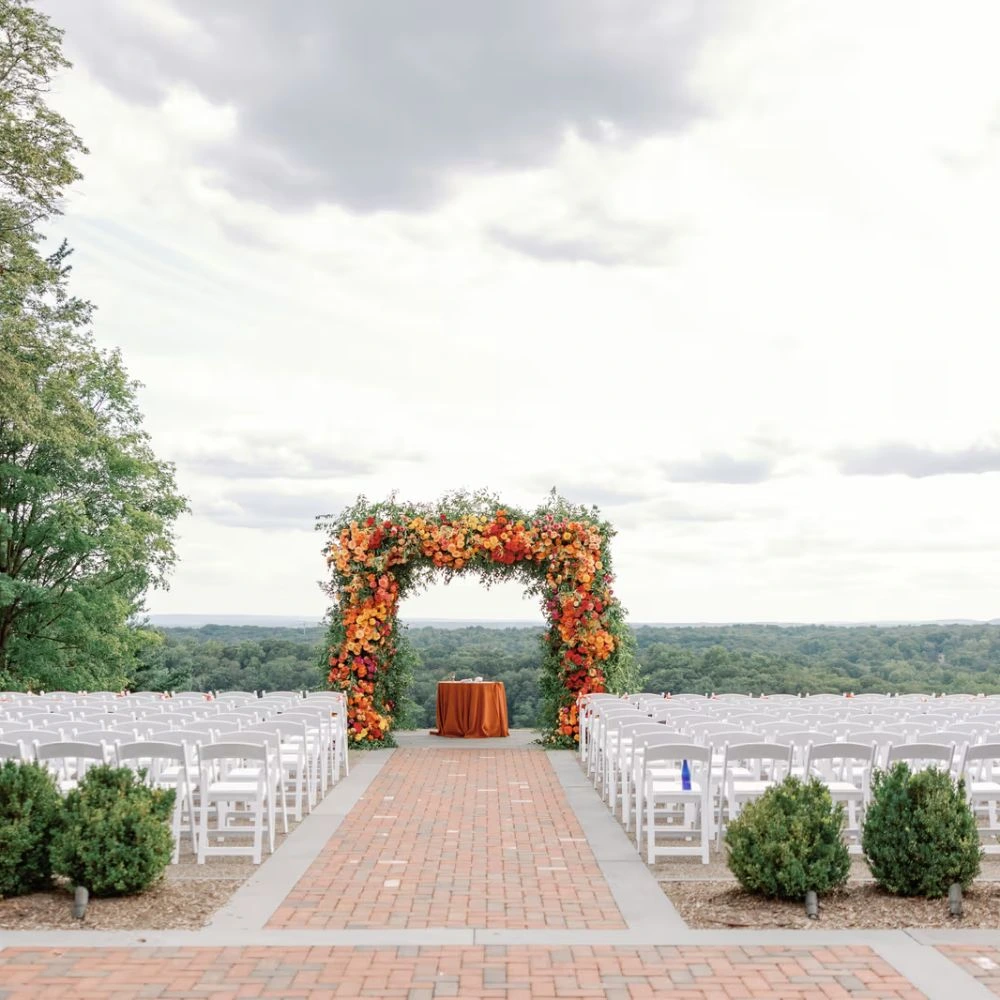
Arrange for prelude music to be playing before invited guests arrive. If guests are invited at 5:00 p.m. for a 5:30 p.m. ceremony, plan music underway by 4:55 p.m. The same principle applies to cocktail hour: the next space should feel ready to welcome people.
Think about the first person who walks into your ceremony space. What do they hear? Music should already be creating the atmosphere. That means musicians and sound must be ready before guest arrival, with setup and sound check completed beforehand.
Your ceremony music plan should identify the entrance order and the musical cue for each person or group. Depending on your traditions, this may include family members, the wedding party, the groom, and the bride, or another processional arrangement entirely. A song title alone does not tell the team when to start or stop. Assign one person to give the agreed cues so the music follows the actual procession.
Confirm these details in advance:
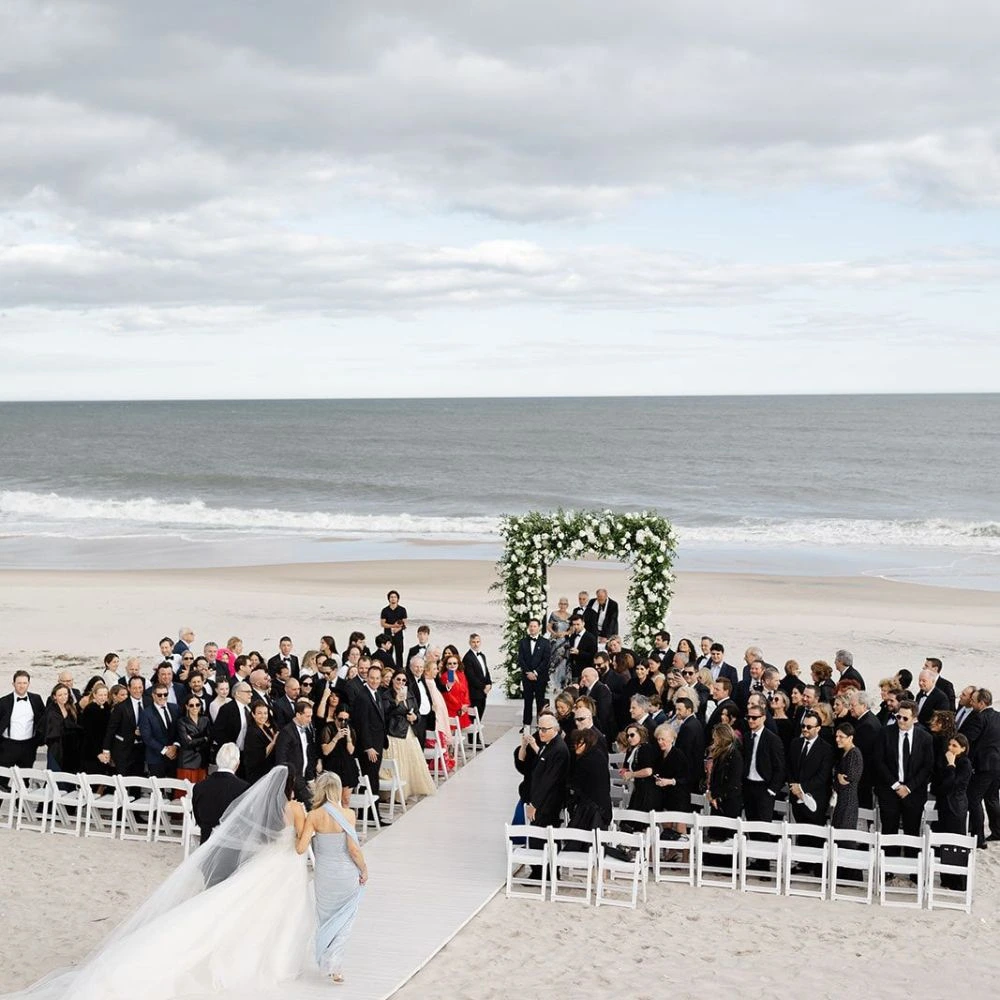
As guests move from the ceremony to cocktail hour, the next musical experience should already be underway. A string ensemble, jazz trio, or saxophone with backing tracks can create a different atmosphere while keeping the evening connected.
If ceremony musicians are also performing at cocktail hour, account for their movement, equipment, and setup time. Separate spaces may require separate sound systems, another performer, or planned recorded coverage. Avoid assuming one musician can finish the recessional and instantly be performing across the property.
The final minutes of cocktail hour also need coordination. The party planner confirms that the reception room is ready, the catering team confirms service readiness, and the entertainment team prepares the entrance.
See how Troy Curtis Entertainment creates a seamless musical experience from ceremony to final dance.
View Wedding EntertainmentThere are two primary formats: (1) dancing between courses, which alternates dance sets with meal service, or (2) one dinner-service block followed by an extended dance party. Both begin with five minutes of elegant arrival music before inviting guests onto the dance floor.
At Troy Curtis Entertainment, we use two reception formats. Both follow the ceremony and cocktail hour. Both begin with a brief, elegant welcome into the reception room. The difference is how we arrange dancing around meal service.
When reception doors open, guests need a moment to appreciate the room, greet one another, and find their seats. For approximately five minutes, we play elegant, mid-tempo music: classic Motown and familiar songs that create a warm, welcoming atmosphere. Then we invite guests onto the dance floor.
This format alternates dance sets with meal service. It works well when the caterer can coordinate a short first-course window, a longer dance set, and a separate main-course service.
After the elegant arrival music, we bring guests onto the dance floor, introduce the couple, move into the first dance and any opening traditions, and continue with a warm-up dance set. Guests then sit for a blessing, if desired, and the first course. Next, everyone is invited back for approximately 45 minutes to an hour of dancing. After that set, guests sit for dinner with low-volume live music and planned speeches. Parent dances create a meaningful transition back to the dance floor. Then comes the final, high-energy dance set.
| Time | Moment | Music & Flow |
|---|---|---|
| 7:00–7:05 p.m. | Reception doors open | Elegant, mid-tempo classics and Motown; guests take in the room and find their seats |
| 7:05–7:30 p.m. | Opening celebration | Invite guests onto the floor; grand entrance, first dance, opening traditions, and warm-up dancing |
| 7:30–7:40 p.m. | Blessing and first course | Brief seated service window, subject to catering approval |
| 7:40–8:35 p.m. | Second dance set | Approximately 55 minutes of dancing |
| 8:35–9:20 p.m. | Dinner and planned speeches | Low-volume live dinner music; pause music for best man, maid of honor, or other agreed speeches |
| 9:20–9:30 p.m. | Parent dances | Transition from dinner back into the celebration |
| 9:30–10:55 p.m. | Final high-energy dance set | Build through guest favorites, indie rock, classic rock, EDM, and dance music |
| 10:55–11:00 p.m. | Final song | A deliberate finish within the venue's music cutoff |
The opening block must accommodate the actual number and length of entrances, featured dances, and traditions. If those need more time, adjust the schedule in advance.
This format keeps the first course and main dinner service within one seated block. After the five-minute arrival welcome, we invite guests onto the dance floor, celebrate the couple, feature the first dance and parent dances, and continue with a short opening dance set. Guests then sit for dinner service. Once dinner is complete, we bring guests back onto the dance floor for an extended, high-energy party through the end of the reception.
| Time | Moment | Music & Flow |
|---|---|---|
| 7:00–7:05 p.m. | Reception doors open | Elegant, mid-tempo classics and Motown while guests take in the room and find their seats |
| 7:05–7:35 p.m. | Opening celebration and featured dances | Invite guests onto the floor; couple's entrance, first dance, parent dances, and a short opening dance set |
| 7:35–8:50 p.m. | First course and dinner service | Blessing if desired; low-volume live music and planned speeches during agreed pauses |
| 8:50–10:55 p.m. | Extended high-energy dance party | Bring guests back up and keep the celebration moving through the final block |
| 10:55–11:00 p.m. | Final song | Close the evening together |
The 75-minute dinner window is illustrative. The couple's preferences, the party planner's direction, guest count, menu, service style, and speeches determine how much time is needed.
| Planning Consideration | Dancing Between Courses | One Dinner-Service Block |
|---|---|---|
| Meal Service | First course and main course separated by dancing | First course and main course served within one seated block |
| Dance-Floor Flow | Opening warm-up, longer middle set, final high-energy set | Opening celebration followed by one extended final dance block |
| Parent Dances | Toward the end of dinner, leading into final dancing | During the opening celebration |
| Best For | Couples who want guests up and dancing throughout the night with short seated breaks | Couples who prefer a longer uninterrupted dinner followed by a high-energy dance party |
| Key Coordination Question | Can catering support a short first-course window and a 45–60-minute dance set before dinner? | How long does the full seated meal require before final dancing begins? |
Both formats give the evening a clear rhythm. The right choice depends on the venue, party planner, couple's preferences, traditions, and catering logistics. Choose the format with your party planner and caterer, based on the experience you want and the service the venue can deliver.
Dinner is a useful window for speeches because guests are seated and attentive. In the dancing-between-courses format, parent dances happen toward the end of dinner. In the one-dinner-block format, parent dances happen during the opening celebration before the seated meal.
Coordinate the best man, maid of honor, parent, or other planned speeches with the caterer so they happen during appropriate pauses. Avoid speaking over noisy plate clearing or requiring servers to hold time-sensitive food.
Agree on speaker order and length in advance. Confirm names, microphone handoffs, and who introduces each person. Live dinner music stays at a conversational volume between speeches and pauses when a speaker begins.
Other cultural or religious traditions may need their own time. Confirm their order, music, participants, and length with the couple and party planner.
Cake cutting can be a featured moment at an agreed transition or a quieter moment coordinated with the photographer. Add its actual time to the chosen schedule rather than assuming it takes no time.
Passed desserts can be served during the final dance block if the venue and caterer can support that approach. Coordinate service routes so guests can enjoy dessert without a room-wide seating announcement.
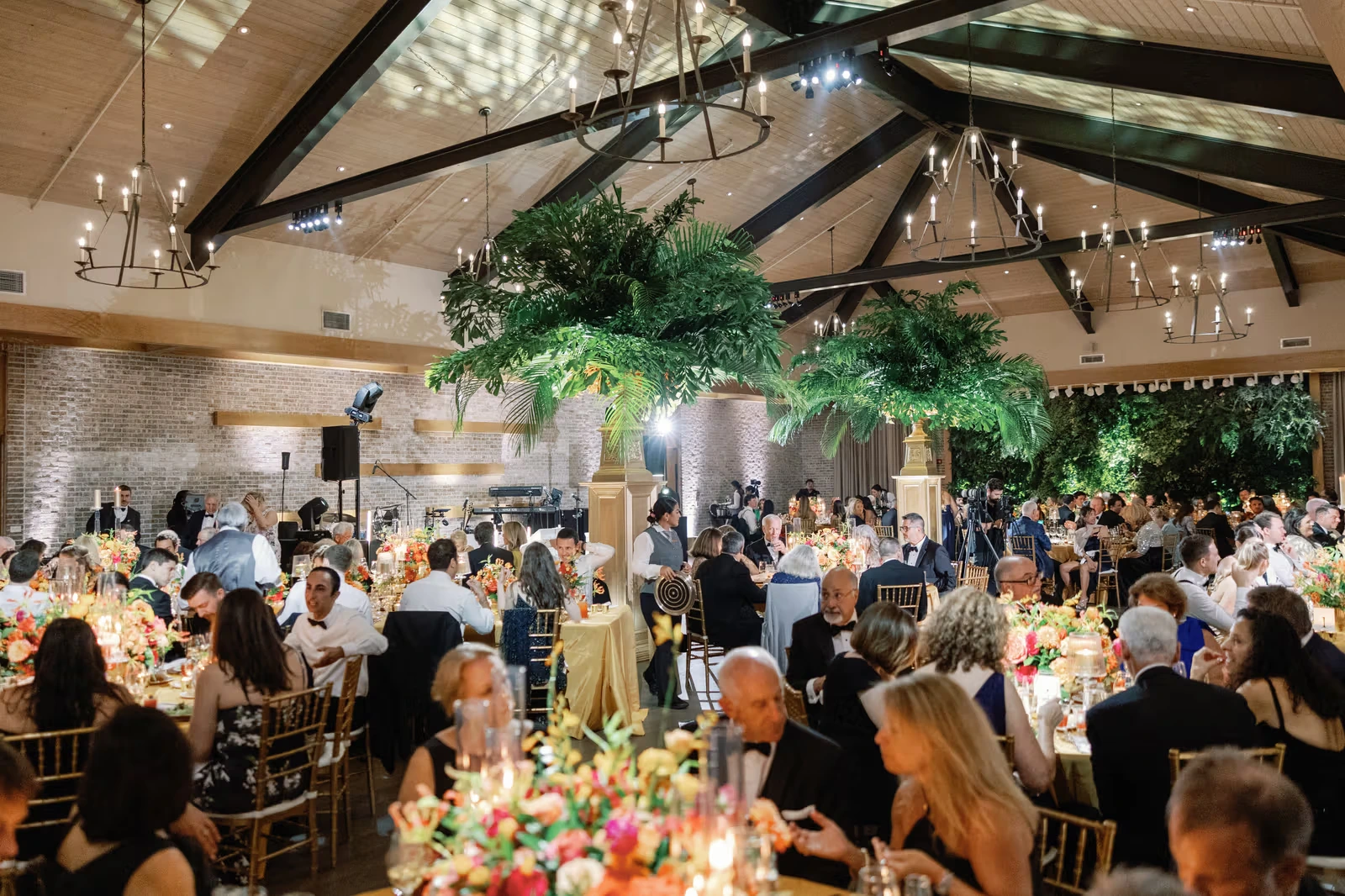
After guests have had those first few minutes to settle into the room, we want them to participate in the celebration. An opening dance set lets the couple celebrate with family and friends before meal service.
Familiar songs, inviting performers, and clear MC direction help guests feel welcome. The music then changes with the moment: warm and elegant at arrival, inviting during the opening set, quieter during dinner, and high energy for the final party. That progression is central to both TCE reception formats.
Your party planner or coordinator should maintain the master timeline, with input from the venue, catering, entertainment, photography, and video teams. The entertainment team manages musical transitions and agreed announcements. Assign one lead decision-maker for schedule changes.
The music plan should describe what happens between songs and between spaces. For each important moment, record the time, song, version, cue, person responsible, and backup plan.
For a grand entrance, for example: "Planner confirms couple is in position; photographer confirms readiness; MC announces the agreed names; sound operator starts the selected entrance section." That instruction is much more useful than "7:10: entrance."
The same detail matters for a ceremony entrance, speech microphone, cultural dance, and final song. If the band takes breaks, confirm when they occur and what guests hear during them. Continuous musical coverage may combine live performance and recorded music, depending on the booked package.
A well-paced performance considers who is on the floor, who has not joined yet, and what moment comes next. At TCE, we build around the couple's preferences and their guests, drawing from the '70s, '80s, '90s, 2000s, and current music where appropriate.
Familiar openings, tight transitions, well-timed sing-alongs, and interaction from singers or instrumentalists can make the experience feel personal. The objective is participation that feels natural to the celebration.
Create a recovery plan before the wedding, identifying which blocks can move, shorten, or be omitted with the couple's prior approval.
If speeches run over, the party planner checks kitchen readiness and adjusts the next flexible block
If portraits take longer, the team keeps guests engaged while updating the entrance cue
Food safety, religious requirements, accessibility needs, contracted coverage, and venue cutoffs all affect recovery decisions
At TCE, our planning approach includes learning your music preferences through the client portal and coordinating entertainment cues with your planning team. Confirm the specific on-site production coverage included in your proposal. The couple should be able to enjoy the wedding while the team handles the agreed cues.
From a 5-piece band to a 20+ member orchestra, we scale to fit your vision and your venue.
See Our Performers
Common questions about planning your wedding
reception timeline.
Your guests experience the wedding through what they hear, where they move, and how each moment feels.
Give the ceremony its emotion. Give cocktail hour its atmosphere. Give dinner and speeches room to be enjoyed. And give the party enough uninterrupted time to come alive.
At Troy Curtis Entertainment, we help couples connect their music and entertainment to that larger experience, from the welcome before the ceremony to the final song.
Planning your wedding? Contact Troy Curtis Entertainment to discuss your date, venue, music preferences, and the kind of celebration you want to create.
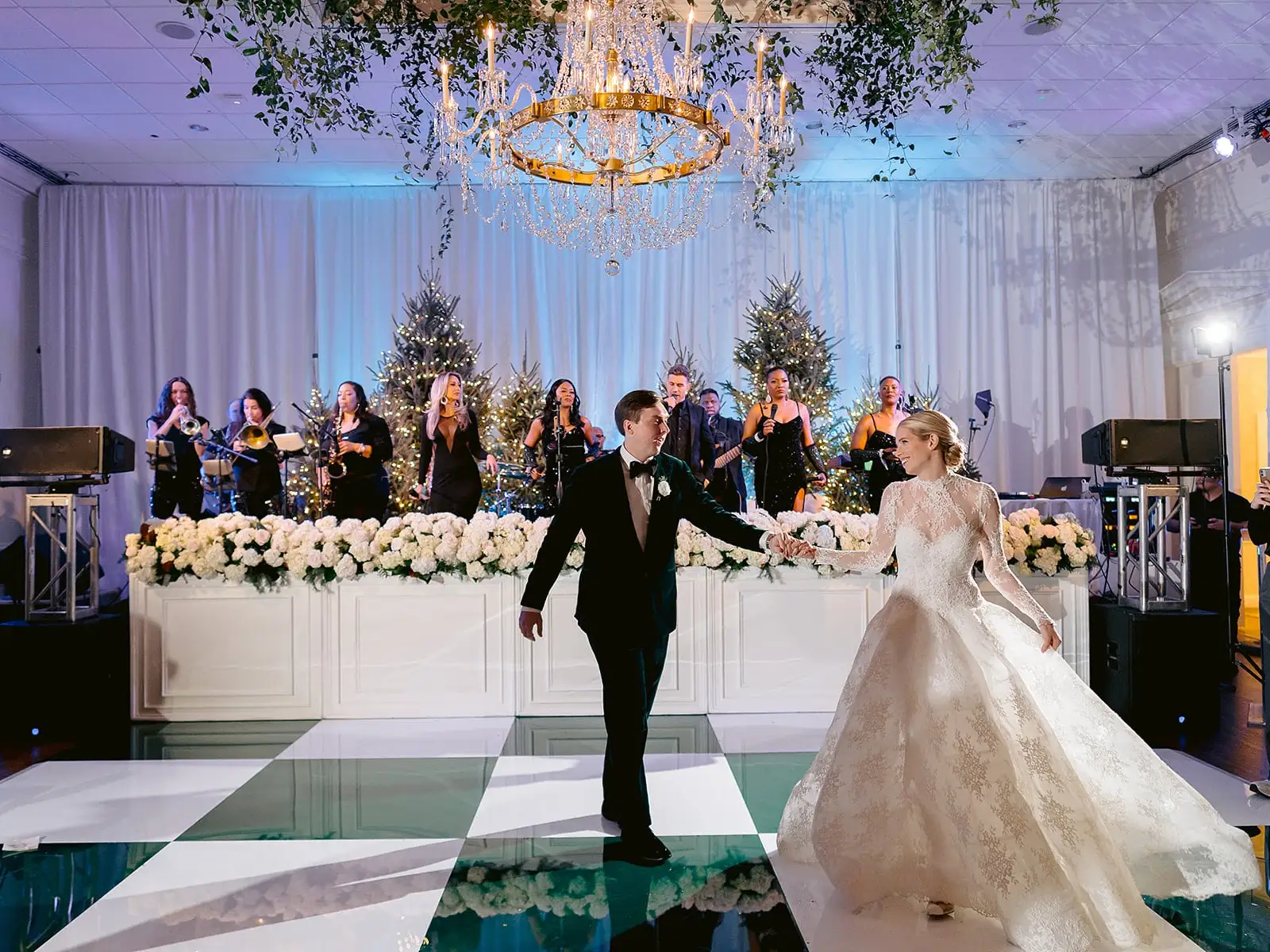
Choosing between a live band and a DJ? A detailed comparison of cost, energy, and what each option brings to your wedding celebration.
Read More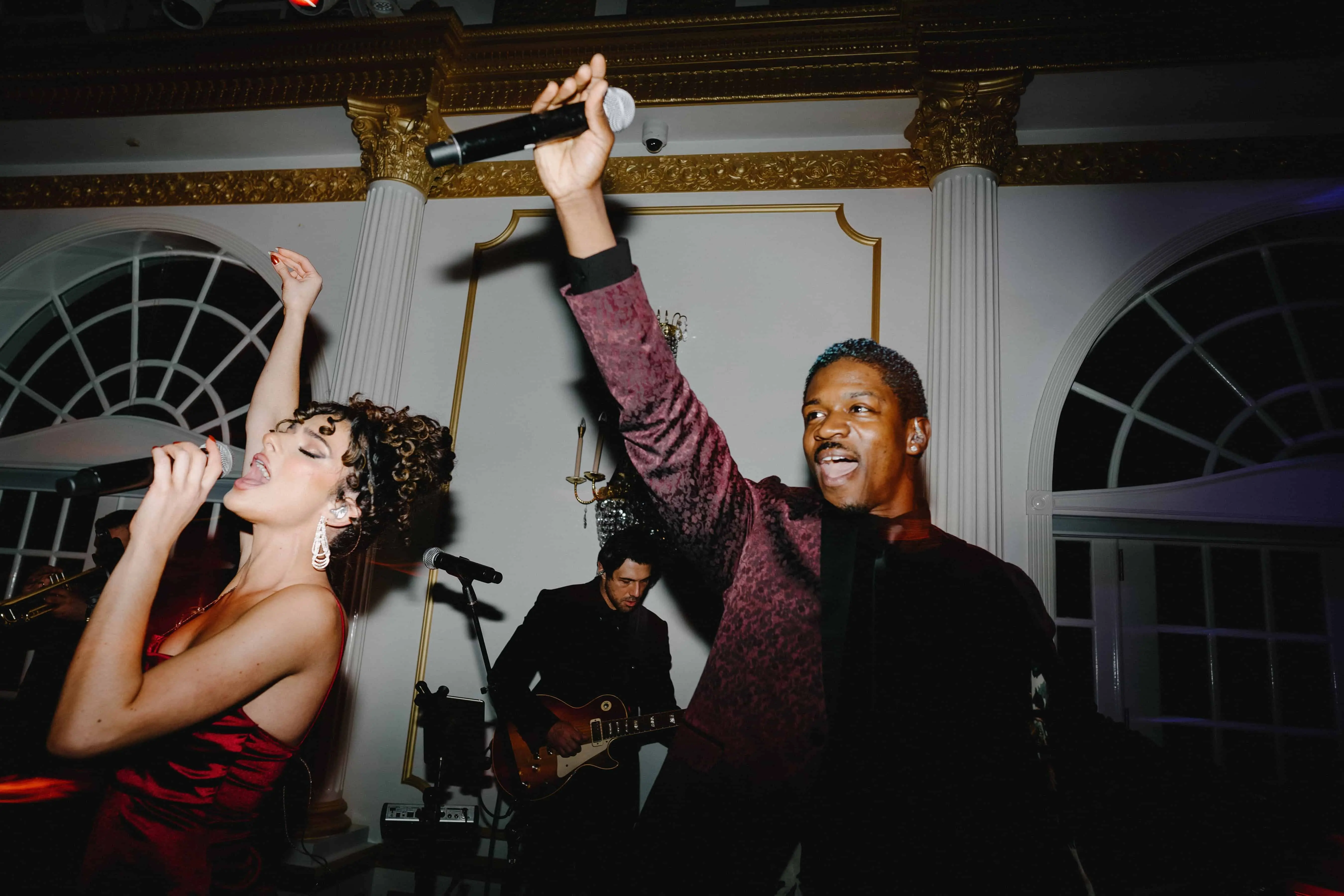
A complete breakdown of wedding band pricing, what affects the cost, and how to invest wisely to create a luxury experience.
Read More
Planning a destination wedding? Learn how to choose entertainment that travels seamlessly while delivering an unforgettable performance.
Read More
Understand how to structure music across every phase of your wedding, from emotional ceremony moments to high-energy reception celebrations.
Read More
Troy Curtis has spent over 20 years producing world-class live entertainment for weddings, corporate galas, and luxury events across the United States.
His signature acts including Party In The City, The Hybrid Band, and the Troy Curtis Orchestra have performed at over 1,000 events for clients ranging from Fortune 500 companies to celebrity celebrations.
Browse our performances on Instagram to see what a TCE band looks and
feels like at a real event. No production crew, just the real thing.